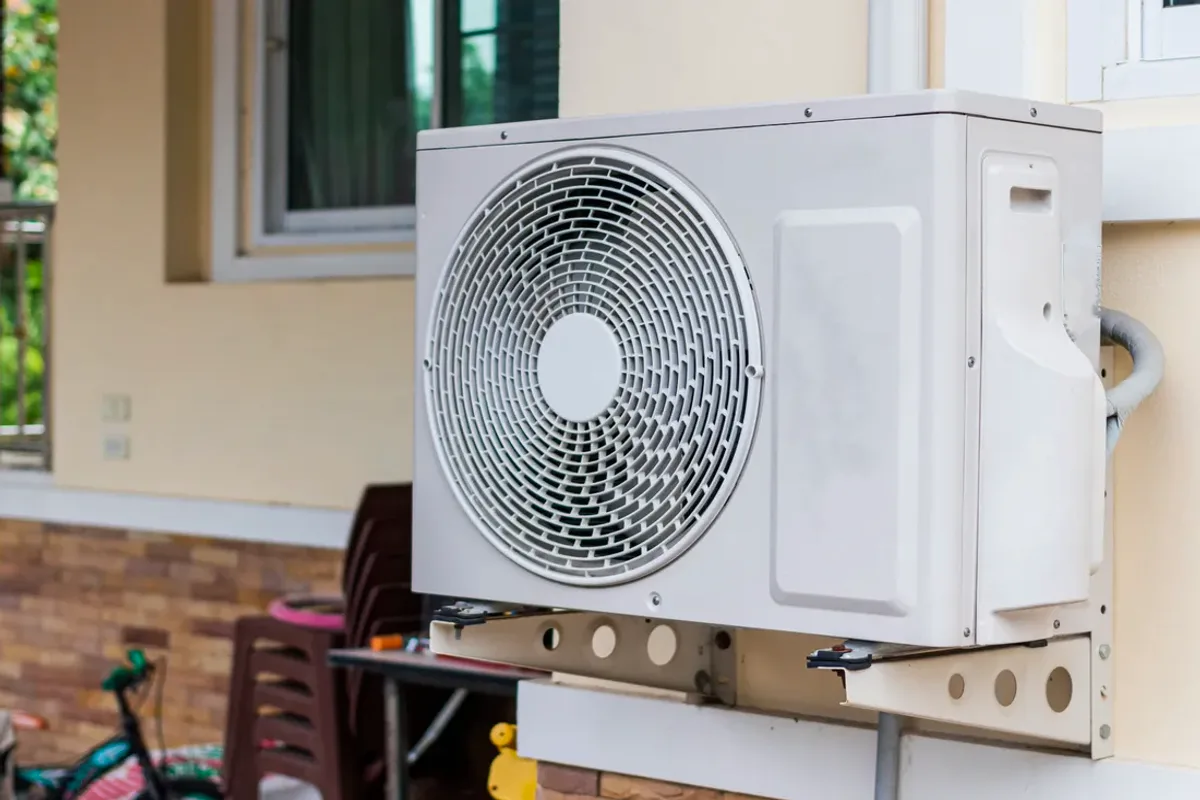
Request heat pump repair & installation for a property in Windsor. Include the equipment, the problem or planned work, and your location so the request can be reviewed.
Does the heat pump fail in heating, cooling, or both, and has the same problem occurred before?
Heat-pump service may involve repairing a fault in an existing system or planning a replacement, and those are different scopes. Record whether the problem occurs in heating, cooling, or both, and note any unusual sound or uneven output. Inspection of coils, airflow, controls, and refrigerant-related operation helps establish the issue; refrigerant work is not an occupant task. Repair history and equipment condition inform whether repair, maintenance, or replacement should be considered.
An assessment should identify the heat-pump model, operating mode, fault indicators, airflow, and the behaviour of indoor and outdoor components. Coil condition, controls, and system charge require inspection rather than assumptions based on energy use alone. If replacement is being considered, note the existing distribution and control arrangement and compare it with proposed equipment compatibility. These observations distinguish a repair from an installation-planning discussion.
Heating and cooling fault diagnosis for heat pumps
Coils, airflow, condensate, controls, and refrigerant assessment
Repair-versus-replacement comparison and installation compatibility
Assessment and Scope
Questions for the Proposed Work
01
Diagnose the operating mode and fault
A heat pump that does not heat, cools unevenly, or makes an unusual sound needs diagnosis under the mode in which the symptom occurs. Control signals, contactors, capacitors, sensors, fan operation, and airflow can lead to different findings. Inspection should establish whether a component fault is confirmed before repair is selected. Repeated resets or bypassing a safeguard are not suitable troubleshooting steps; record displayed fault information for the service assessment.
02
Treat maintenance as inspection-led work
Coil condition, airflow, condensate drainage, and control settings are distinct maintenance observations. A tune-up should follow manufacturer instructions and the actual inspection findings, rather than assuming every system needs cleaning or adjustment. Refrigerant charge is assessed with appropriate procedures and equipment, not by occupants. Documenting what was inspected and any measured concern helps distinguish maintenance from a repair that requires a confirmed failed component.
03
Plan replacement around compatibility
A replacement decision should compare the existing heat pump’s condition and repair history with the proposed system’s capacity and compatibility with the property’s distribution and controls. If the existing unit still has a clearly defined repair, replacement need not be assumed. If replacement is under consideration, equipment selection and connection details determine the installation scope. No single age, bill change, or system label establishes the right choice on its own.
Compare the next step
Decide whether office comfort is the sole project or part of a broader heating conversion. Ask how the proposed system serves the occupied office when other rooms have different demands. Compare the maintenance, control, and distribution implications of an independent room system with changes to central equipment.
Cold-climate capability does not prove that one model covers every home heating load. Ask how the selected equipment and supplementary heat meet the actual design requirements.