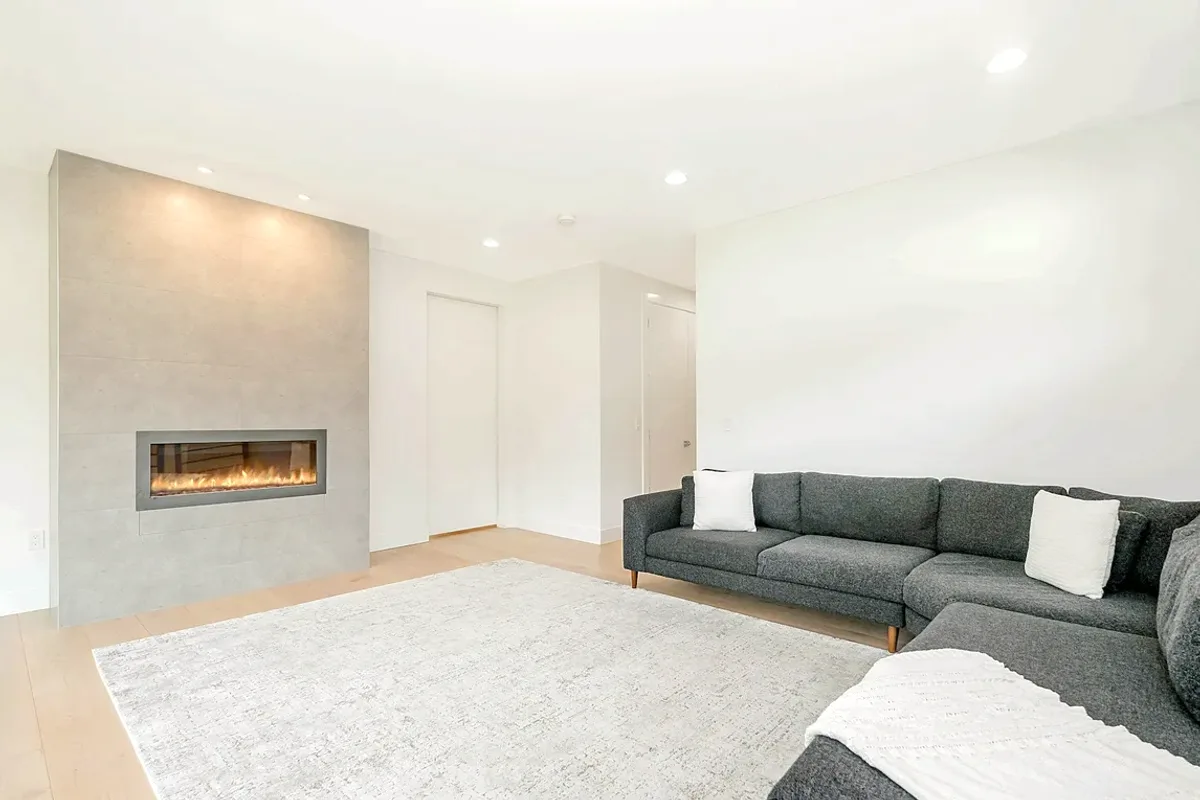
Request fireplace installation for a property in Windsor. Include the equipment, the problem or planned work, and your location so the request can be reviewed.
Which fireplace type are you considering, and will it use an existing opening or require a new location?
Fireplace installation planning depends on the selected appliance and the space where it may be placed. Gas, electric, and wood-burning units have different connection and venting requirements, so the model and installation instructions matter before a route or opening is assumed. Existing conditions, including clearances, the gas supply where applicable, and the proposed vent path, can change the work. If an existing fireplace is involved, its condition should be assessed separately from selecting new equipment.
Record the intended appliance model, proposed location, nearby materials, opening dimensions, and whether gas, electrical, or vent connections are needed. For gas, the supply route matters; for vented models, the route and termination conditions affect scope. An existing firebox or vent should be inspected before reuse is assumed. These observations inform appliance fit, required alterations, and the information needed to plan the installation.
Gas, electric, and wood-burning appliance distinctions
Clearances, gas or electrical connections, and vent routes
Condition of existing openings, fireboxes, appliances, and vents
Assessment and Scope
Questions for the Proposed Work
01
Match the installation plan to the appliance
An electric fireplace may need different work from a direct-vent gas appliance or a wood-burning unit. The model instructions establish required clearances and connection conditions; the room layout establishes whether those can be met at the proposed location. Confirm dimensions and nearby finishes before an opening is altered. This comparison helps distinguish a straightforward placement from work involving a new gas route, electrical provisions, or changes to the surrounding construction.
02
Assess gas supply and vent routing
For a gas fireplace, document the available gas supply and the proposed connection route rather than assuming an existing line is suitable. For a vented appliance, record the route, wall or roof conditions, and intended termination location. A direct-vent installation and a wood-burning installation do not share identical venting requirements. The appliance instructions and site findings determine what can be reused and what changes the installation scope.
03
Inspect existing components before reuse
Where an existing opening, firebox, or vent is being considered for reuse, its dimensions and condition need assessment against the proposed appliance. Damage to the firebox, appliance, or vent may affect whether installation can proceed as planned. Cleaning or repair of an existing unit is separate work from installing a new one. Keeping those decisions distinct helps avoid treating visible wear as proof that replacement is required.
Compare the next step
For a workspace, ask how the appliance output and controls suit long occupied periods without relying on frequent manual cycling. Check clearances against the desk, storage, and cables in the finished room. Establish how fireplace use affects the temperature sensed by any central or hydronic heating control.
Use a qualified contractor for the chosen appliance and any fuel, venting, or electrical work. Do not alter the appliance or defeat its controls. Confirm its manufacturer operating requirements before relying on it for whole-home or outage heating.