A summer hydro bill has a way of telling the truth about your cooling system. When the number climbs without a heat wave to explain it, the air conditioner is usually fighting something fixable, and every extra hour of runtime is paying for that fight.
When the Machine Itself Falls Short
An aging unit. Compressors and fans lose capacity as they wear, so a system that once cycled normally now grinds through the entire day. An undersized system. If the unit lacks the capacity for the home, it simply never finishes the job on peak days, running longer and longer without catching up. Wear and sizing both shrink the effective capacity of a system, and the two often arrive together: an aging unit behaves like an undersized one years before it actually fails.
Cooling Is Only Half the Job
An air conditioner does two jobs at once: it lowers the air temperature and it pulls moisture out of the air. On a dry day, one job is easy. During a humid Ontario summer stretch, your system fights both at the same time, and the moisture half is the one that quietly wears it down.
Humid air also feels warmer than it actually is. Twenty-six degrees on a dry afternoon is pleasant; the same twenty-six degrees with heavy July moisture feels sticky and heavy. Your thermostat reads the temperature, not your comfort, so the system keeps running while the house never quite feels right.
The Dirt Problems: Filter, Coils, and Condenser
A clogged filter. Restricted airflow forces longer run times to reach the same thermostat setting. Dirty coils. Dust on the indoor and outdoor coils slows heat exchange, so the system moves less heat per cycle and compensates with extra runtime.
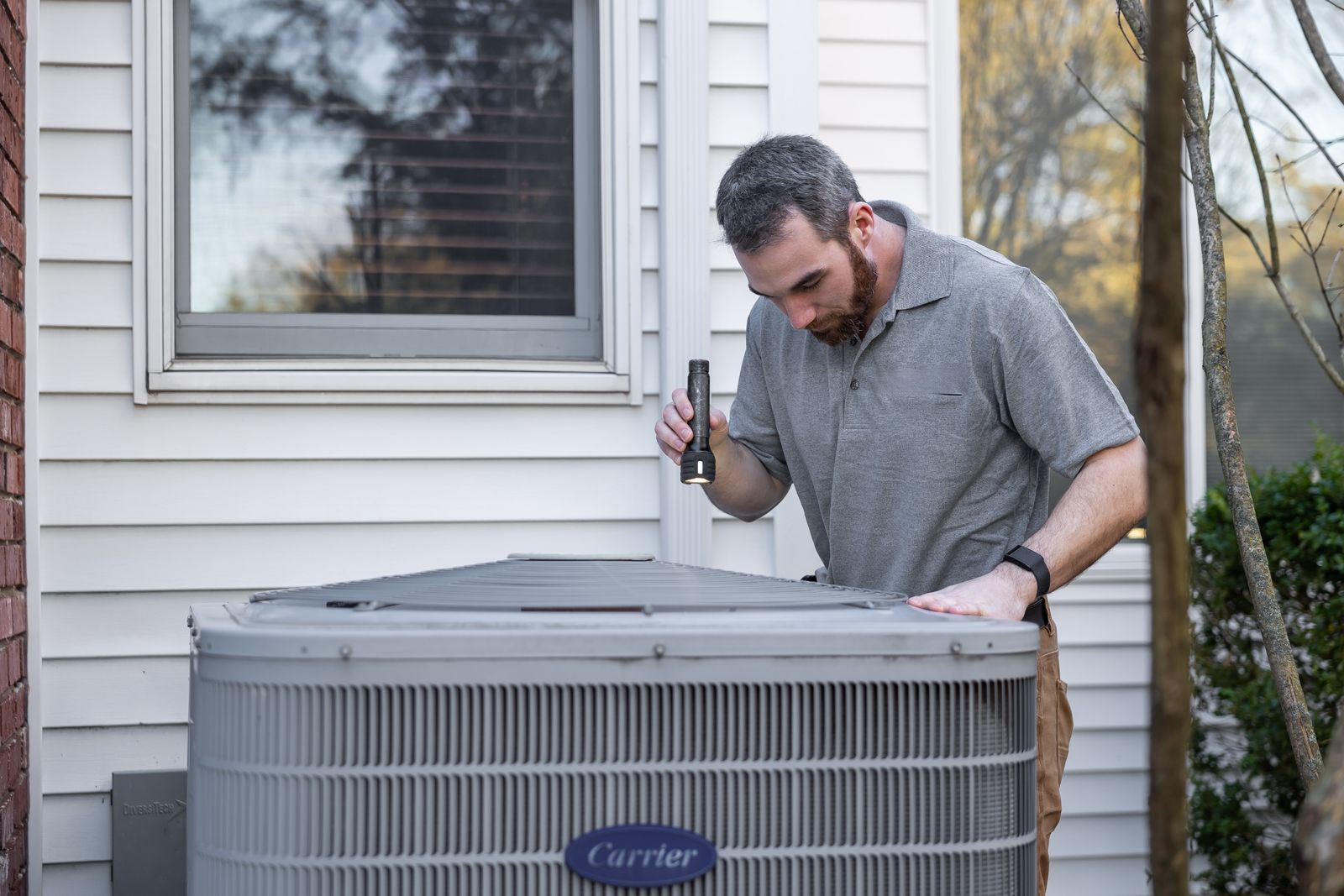
A blocked condenser. Debris crowded around the outdoor unit traps the very heat it is trying to dump, and the whole system slows to a crawl on the hottest days of the year.
The Hidden Losses Behind the Bill
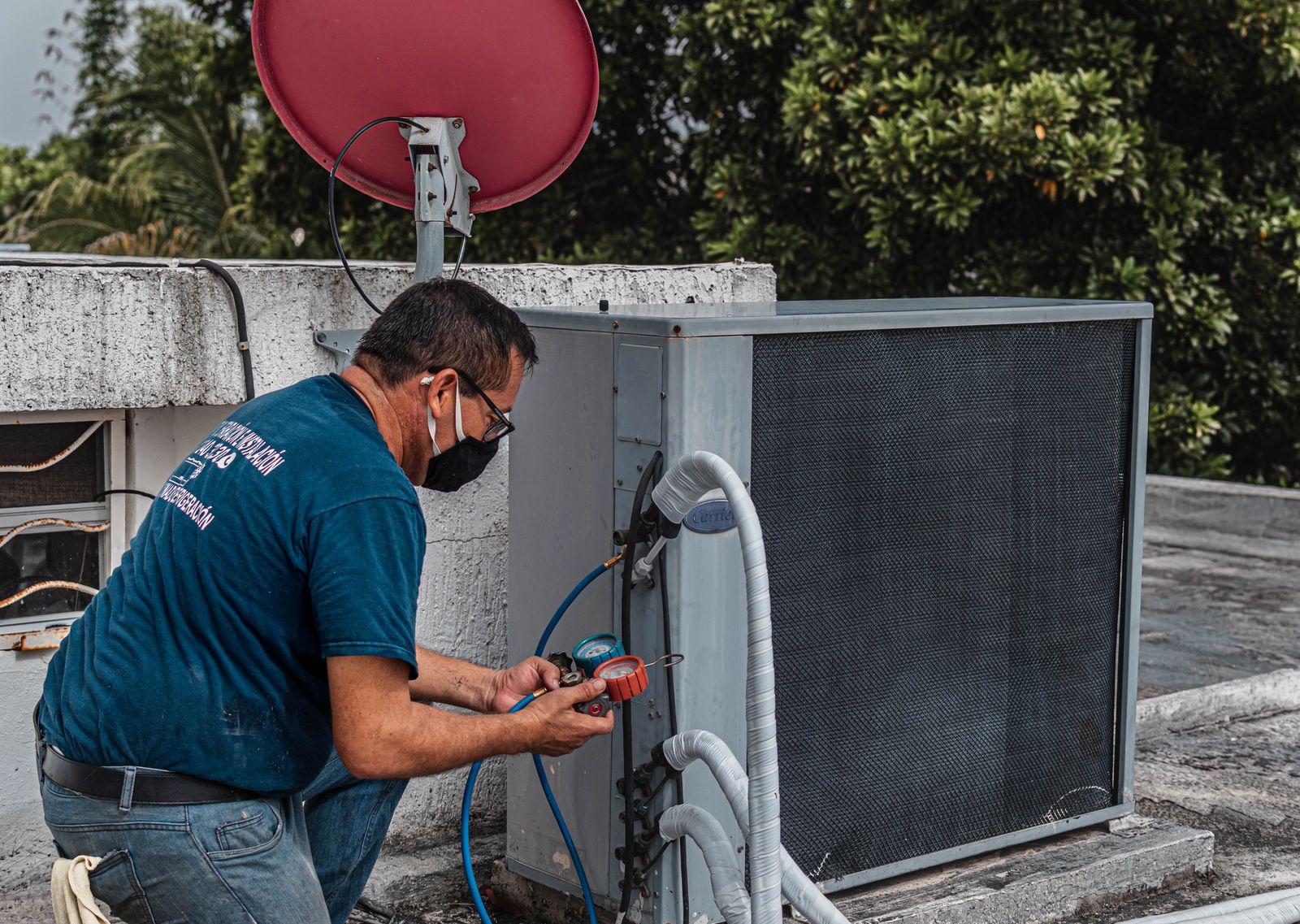
Low refrigerant. A leak reduces the amount of heat each cycle can carry away, stretching cycles across an entire season. Air leaks and thin insulation. Every gap that lets warm, humid air into the house is work your AC pays for twice, once to cool that air and once to dry it.
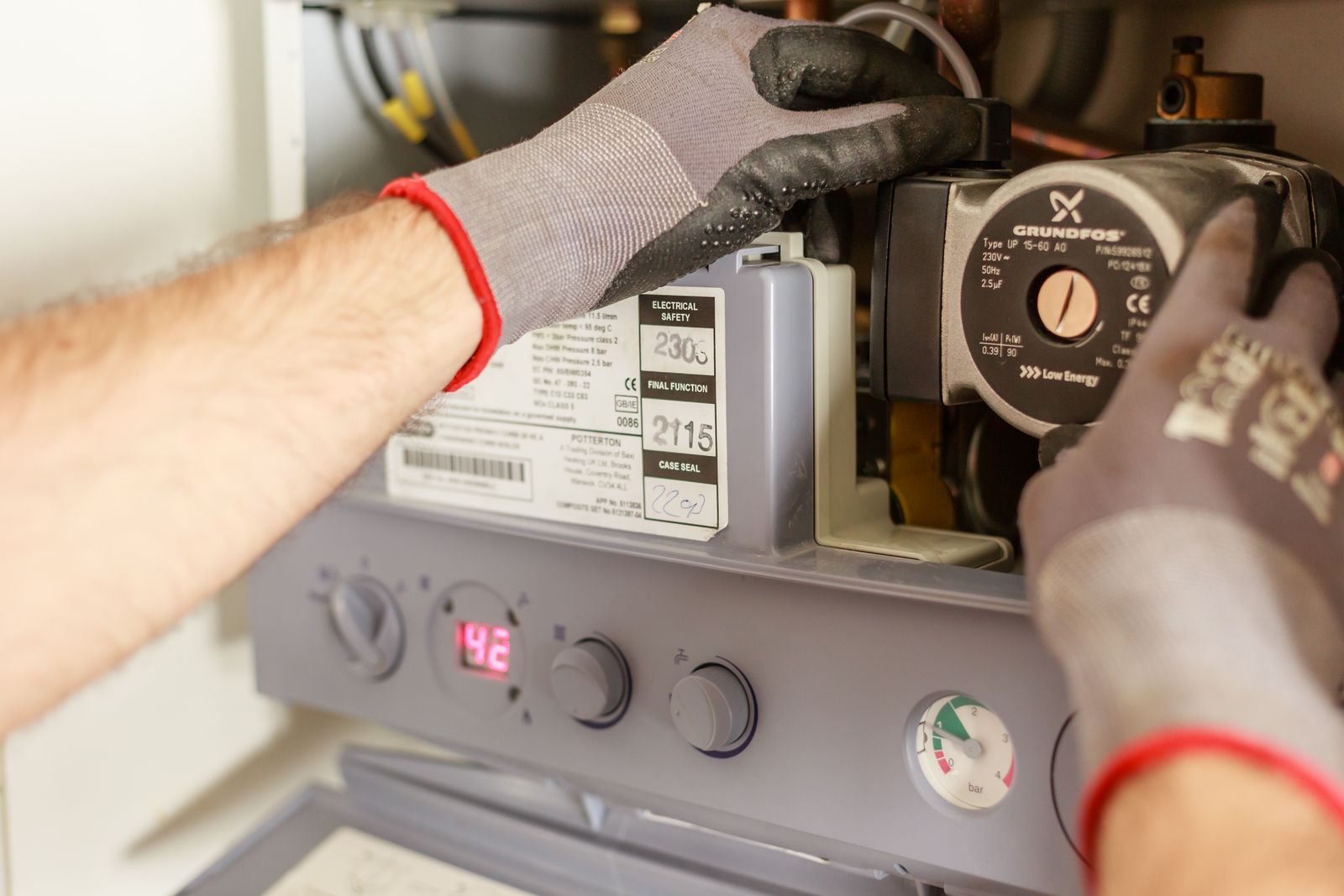
A professional service visit targets both: a refrigerant charge check with leak testing, plus an honest look at whether the house, not just the equipment, is where your hydro dollars are leaking out.
A note on thermostats: setting the temperature very low does not make the system work harder, it just makes it run longer. On humid days, a moderate setting with a healthy system often feels better than an extreme setting with a struggling one.